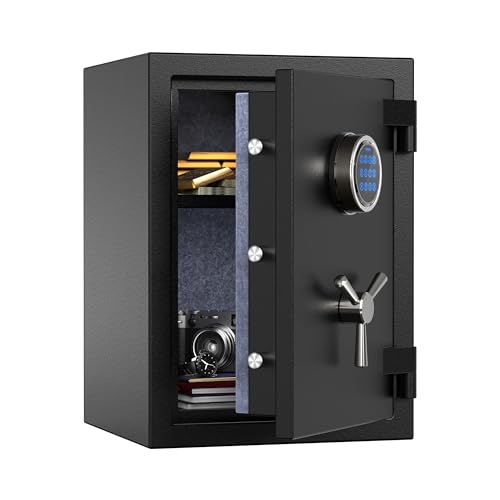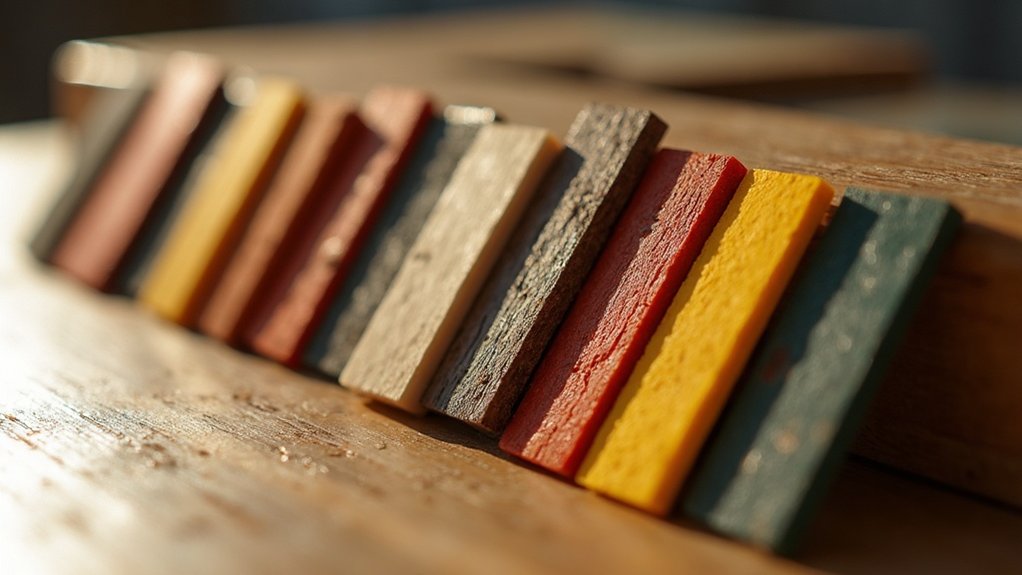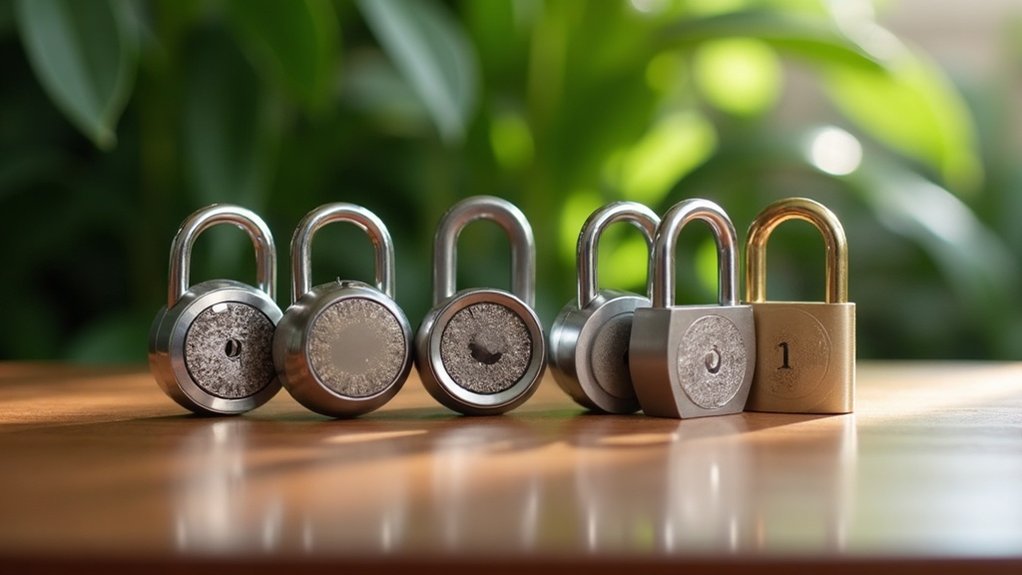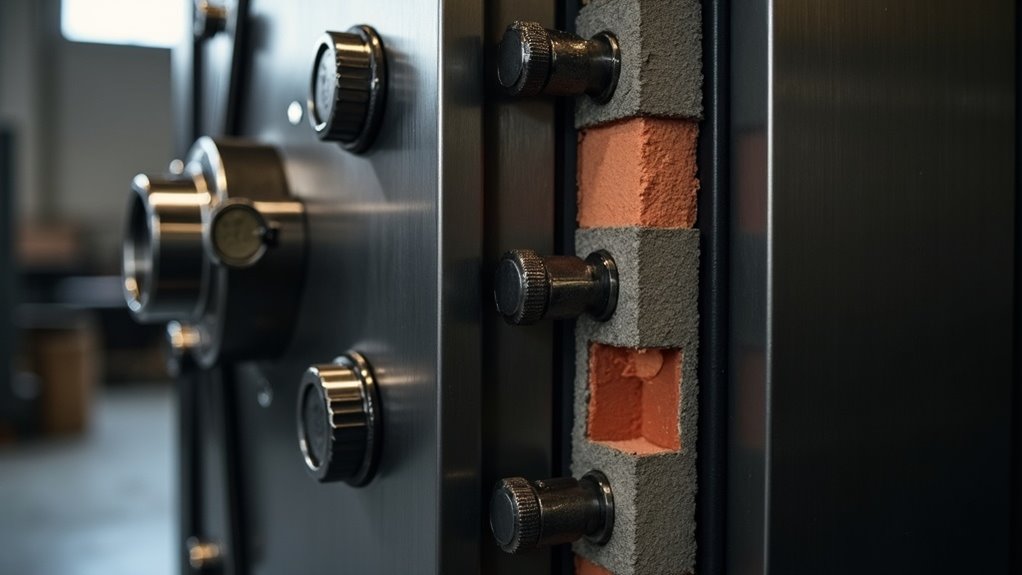
Safes utilize a variety of materials for ideal security and durability. High-strength steels like carbon and alloy steel form the body and door, ensuring resistance to theft. Fire-resistant fill materials, such as high-strength concrete and fire clay, enhance fire protection. Components like reliable locking systems and thick metal bolts add layers of security. Together, these elements create a robust solution. Explore more about the manufacturing process and enhancements that make safes effective against various threats.
Key Takeaways
- Safes are primarily constructed from various types of steel, including carbon, alloy, tool, and stainless steel for strength and durability.
- Fire-resistant materials like fire clay and High strength concrete enhance protection against extreme temperatures during a fire.
- The safe’s body and door are made from thick steel, providing robust defense against theft and unauthorized access.
- Reliable locking systems, which can be mechanical or digital, are crucial components that prevent unauthorized access.
- Enhanced security features include dual steel layers and hardplate protectors around locks to resist drilling and prying attempts.
Types of Steel Used in Safe Construction
When considering safe construction, the choice of steel is essential, as different types offer distinct advantages.
Carbon steel, categorized by its carbon content, provides strength and durability, making it a common choice.
Alloy steel combines various metals like nickel and copper, ensuring rust resistance and cost-effectiveness.
Tool steel, comprising metals such as tungsten and molybdenum, is chosen for high-security safes due to its toughness and thermal resilience.
Finally, stainless steel, valued for its corrosion resistance from chromium, enhances both aesthetics and durability.
Each type of steel used contributes unique properties critical to the safe’s overall effectiveness in protection.
Fill Materials for Fire Resistance
To enhance fire resistance in safe construction, manufacturers often incorporate specialized fill materials that greatly improve protection against extreme temperatures. Materials like fire clay and high strength concrete provide exceptional heat insulation, with fire clay boasting a melting point of 3,002°F. Advanced fire-resistant materials such as DryLight® allow for thicker steel integration while being 19% lighter than drywall, enhancing both fireproofing and burglary protection. Here’s a quick overview of these materials:
| Material | Benefits |
|---|---|
| Fire Clay | High melting point, dense for insulation |
| High Strength Concrete | TL-15 and TL-30 ratings for durability |
| DryLight® | Lightweight, superior heat resistance |
| Thicker Steel | Enhanced structural integrity |
Manufacturing Process of Safes
The construction of a safe involves a meticulous manufacturing process that starts with cutting metal sheets to precise dimensions.
You’ll find that each step is designed to enhance the safe’s structural integrity and security.
- Cutting: Metal sheets are shaped using precision techniques like sawing and drilling.
- Bending: Angles are created through force, strengthening the material.
- Welding: Components are fused using robotic welding for durability.
- Finishing Process: Multiple rinsing, etching, and painting guarantee durability.
- Assembly: Essential security features are added, followed by quality control checks to meet stringent standards.
Key Components of a Safe
While you may think of a safe as just a metal box, its key components work together to provide exceptional security and protection.
The body of the safe is typically constructed from thick steel, ensuring robust defense against theft and environmental threats. The door of the safe matches this thickness and often includes an airtight seal for enhanced security.
A reliable locking system, whether mechanical or digital, prevents unauthorized access. Bolts, made from thick metal rods, secure the door, complicating any attempts to pry it open.
Fire resistance is essential, with materials like fireboard and expandable seals protecting contents from high temperatures.
Enhancements for Security and Durability
As advancements in safe technology continue to evolve, manufacturers are incorporating innovative materials and designs to enhance security and durability.
- Dual layers of steel, like Fusion™ steel bodies, minimize weak points.
- Hardplate steel protectors surround lock mechanisms, resisting drilling.
- High-strength concrete, such as TL-15 and TL-30, offers exceptional heat absorption capabilities.
- Innovative fire seals, like Palusol™, expand under heat to block flames and smoke.
These enhancements guarantee robust burglary protection and maintain structural integrity in safe bodies, greatly improving both fire resistance and overall security.