A vault and a panic room serve different security needs. A vault focuses on safeguarding valuables—jewelry and sensitive documents—using reinforced materials and advanced locking systems. In contrast, a panic room is designed for immediate protection from threats like intruders, featuring reinforced doors and emergency communication systems. While vaults prioritize security for possessions, panic rooms create a safe haven for people. Understanding these differences can help you choose the right solution based on your specific security concerns.
Key Takeaways
- Vaults are designed solely for securely storing valuables, while panic rooms provide immediate refuge during threats like home invasions.
- Vaults feature advanced locking mechanisms and ballistic protection for valuable items, whereas panic rooms focus on occupant safety with reinforced walls and secure access.
- Panic rooms include essential supplies like food, water, and communication devices for emergencies, which vaults do not provide.
- Vaults primarily emphasize protection against theft and damage, while panic rooms prioritize personal safety and threat response.
- The cost of panic rooms generally ranges from $15,000 to $40,000, while vault doors can cost between $8,500 to over $20,000.
Purpose and Functionality of Vaults
Vaults serve as fortified sanctuaries for your most valuable possessions, offering unparalleled security against theft and damage.
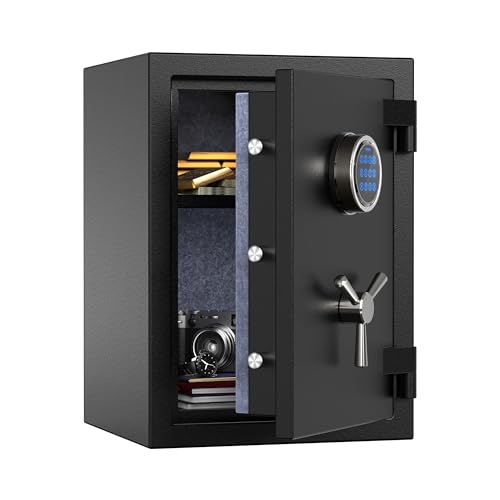
Designed primarily for storing valuables like jewelry and sensitive documents, vaults utilize high-quality vault doors and reinforced materials that meet UL 752 ballistic standards.
Unlike panic rooms, vaults aren’t intended for human occupancy; instead, they focus solely on protection.
Advanced locking systems, including biometric access and electronic locks, greatly enhance security compared to standard doors.
Additionally, many vaults feature climate control systems to shield contents from humidity and temperature fluctuations, ensuring your valuables remain in prime condition for years to come.
Purpose and Functionality of Panic Rooms
Panic rooms serve an essential role in providing immediate protection against threats like intruders or home invasions.
Equipped with emergency communication systems and customizable safety features, these secure spaces guarantee you can stay connected while waiting for help.
Their design prioritizes your safety, combining functionality with discreet integration into your home.
Immediate Threat Protection
When faced with the terrifying prospect of a home invasion or violent attack, having a safe haven can make all the difference. Panic rooms serve as your first line of defense, allowing you to secure yourself inside until help arrives.
With reinforced vault doors and secure locks, these rooms prevent unauthorized access and provide immediate protection against intruders. Discreetly integrated into your home, they offer a refuge that doesn’t compromise safety.
Equipped with essential supplies and communication devices, panic rooms guarantee you remain connected with authorities while remaining shielded from danger, enhancing your overall security during critical moments.
Emergency Communication Systems
How can occupants guarantee they stay connected and informed during a crisis in a panic room? Emergency communication systems are vital for this purpose.
Equipped with two-way radios or mobile phones, these systems enable direct contact with law enforcement and emergency services. They’re designed to function during power outages, ensuring uninterrupted communication.
Many panic rooms feature advanced capabilities like intercoms and surveillance cameras linked to communication devices, allowing real-time updates about external situations. This integration greatly enhances security and preparedness, empowering occupants to respond effectively in emergencies and maintain awareness of their safety status.
Customizable Safety Features
Customizable safety features in panic rooms enhance their effectiveness in protecting occupants during crises. You can choose advanced security features like bullet-resistant materials and reinforced walls to guarantee maximum protection.
The customization options include installing an internal lock bypass mechanism, allowing for secure yet accessible entry. Additionally, integrating surveillance systems can help monitor threats outside.
Panic rooms may also incorporate fire-resistant walls and ventilation systems, guaranteeing a safe, livable environment. By tailoring these features to your specific needs, you create a sanctuary that not only deters intruders but also provides peace of mind during emergencies, making all the difference in critical moments.
Structural Features of Vaults
When you consider the structural features of vaults, you’ll notice their reinforced construction materials, designed to withstand significant physical threats.
They also incorporate advanced locking mechanisms, offering multiple layers of authentication for enhanced security.
Additionally, vaults meet rigorous ballistic protection standards, ensuring that they can resist firearm impacts effectively, setting them apart from other secure spaces.
Reinforced Construction Materials
While the primary function of a vault is to safeguard valuable assets, the choice of reinforced construction materials plays an essential role in achieving that objective.
Vaults often utilize reinforced steel and hardened, reinforced concrete to provide superior security against forced entry and ballistic threats, ensuring compliance with UL 752 ballistic standards. These materials create robust walls capable of withstanding both intruders and natural disasters.
Additionally, fire protection is paramount, with fire seals and UL-rated insulation guarding against extreme heat and smoke damage. Together, these features establish a fortress-like environment, enhancing the vault’s overall security and integrity.
Advanced Locking Mechanisms
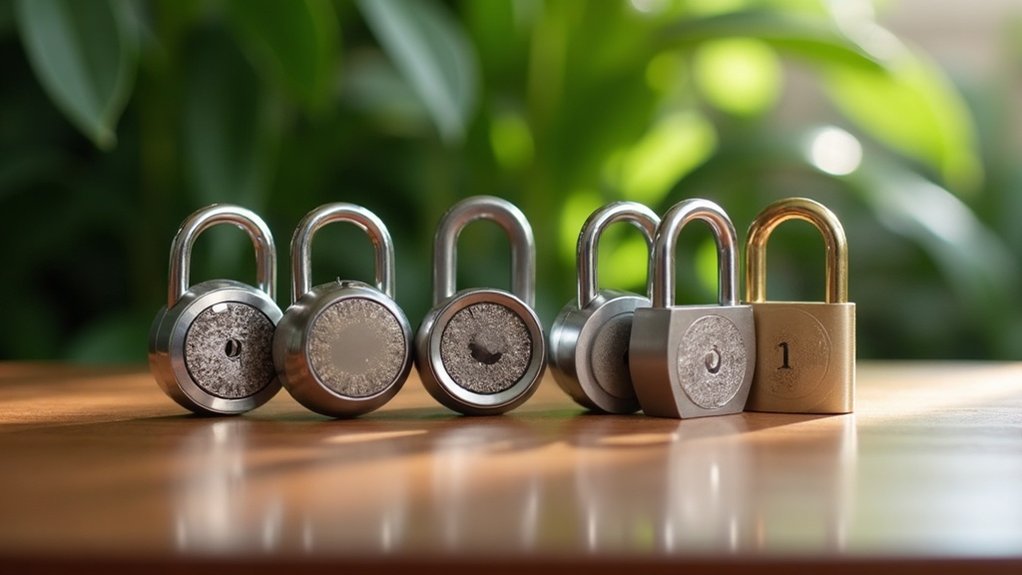
Advanced locking mechanisms are critical to the security and functionality of vaults, as they combine multiple layers of authentication to thwart unauthorized access. These systems often incorporate biometric access, combination locks, and electronic locks to enhance security. High-end vault doors utilize robust materials such as ballistic steel, offering superior protection against forced entry. Additionally, vault doors feature two-piece key and combination lock systems, ensuring dual security.
| Feature | Description |
|---|---|
| Biometric Access | User authentication via fingerprints/iris |
| Combination Locks | Dial or code entry for added security |
| Internal Release | Safe exit from inside, even if obstructed |
| Robust Materials | Ballistic steel construction |
| Scram Digital Locks | Key backups for electronic failures |
Ballistic Protection Standards
As you explore the structural features of vaults, you’ll find that ballistic protection standards play an important role in their design and effectiveness.
These standards guarantee that vaults withstand firearm impacts, making them vital for safeguarding valuables.
Key aspects include:
- Reinforced steel construction for superior strength
- Vault doors equipped with advanced locking mechanisms like biometrics
- Compliance with UL 752 ballistic standards to resist gunfire
- Fire seals and insulation to protect against heat and smoke damage
Structural Features of Panic Rooms
Panic rooms are meticulously designed to provide a secure refuge, featuring a range of structural elements that enhance their protective capabilities.
Key components include reinforced vault doors and secure locks, ensuring that intruders can’t easily breach the space. The construction prioritizes impact resistance, often utilizing bullet-resistant materials to safeguard occupants.
Additionally, panic rooms are discreetly integrated into home designs for rapid access during emergencies. Inside, they typically house essential emergency supplies like food, water, and medical kits, allowing you to remain safe until help arrives.
This combination of features creates an effective barrier against potential threats.
Security Mechanisms in Vaults
While panic rooms focus on providing immediate shelter during threats, vaults emphasize sophisticated security mechanisms designed for the protection of valuables.
These mechanisms include:
- Advanced locking systems, such as biometric access and two-piece key and combination locks
- Vault doors constructed from ballistic steel, tested to UL 752 standards for firearm protection
- Internal lockout mechanisms for safe exit during emergencies
- Fire seals and UL-rated insulation to guard against fire damage
These features guarantee that vaults not only secure your possessions but also provide a controlled environment, making them distinctly more reliable for safeguarding valuables than panic rooms.
Security Mechanisms in Panic Rooms
When faced with a threat, the effectiveness of a panic room hinges on its robust security mechanisms.
Panic rooms employ advanced locking mechanisms, including biometric access controls and digital locks, ensuring secure entry and exit. Internal release mechanisms enhance safety, allowing occupants to open doors from the inside during emergencies.
Security features also include reinforced walls made of steel or concrete, providing a formidable barrier against intrusions. Surveillance systems monitor the surrounding area, keeping you aware of potential threats outside.
Additionally, entry points are fortified with high-quality locks, offering peace of mind and deterring forced entry.
Essential Supplies and Amenities
To guarantee a safe and comfortable experience during an emergency, essential supplies and amenities in a panic room must be carefully considered.
Focusing on occupant well-being, these supplies assure you can endure prolonged stays. Key aspects include:
- Non-perishable food for sustenance
- Water supply to stay hydrated
- Climate control systems to maintain comfort
- Safety features like reinforced walls and communication devices
These elements create a supportive environment, prioritizing your safety and comfort over mere security, distinguishing panic rooms from vaults that are aimed at protecting valuable items rather than occupants.
Cost Considerations and Popularity
As security concerns escalate, many homeowners are weighing the costs and benefits of installing panic rooms versus vaults.
Panic rooms generally range from $15,000 to $40,000, ideal for those wanting to enhance home security without extensive renovations.
In contrast, vault doors typically cost between $8,500 to over $20,000, focusing more on securely storing valuables.
The rising popularity of panic rooms among affluent individuals highlights their appeal in high-risk environments.
Ultimately, cost considerations and personal needs dictate the choice between the two; both options provide a safe haven, but their purposes and price points vary greatly.