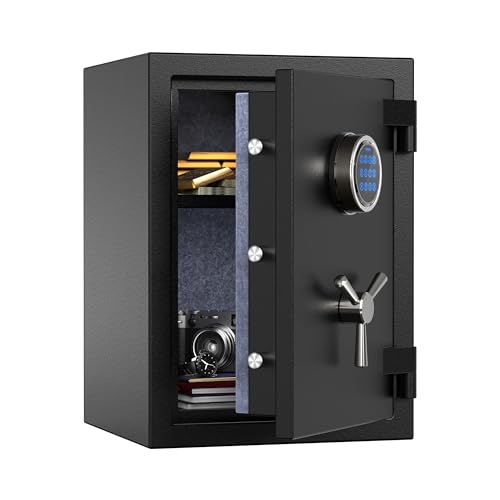
A hotel room safe is a secure storage solution specifically designed to keep your valuables safe while you travel. It offers a convenient place for your money, jewelry, and important documents, giving you peace of mind during your stay. You can find various types, like mechanical, digital, and fingerprint safes, each catering to different security needs. However, there are important security concerns and vulnerabilities to take into account. To learn more about keeping your belongings secure, explore further details on protections available.
Key Takeaways
- A hotel room safe is a secure storage option for valuables like money and jewelry during hotel stays.
- Safes come in various types, including mechanical locks, digital locks, and fingerprint safes, catering to different security preferences.
- While designed for security, hotel staff may have access through override codes and emergency devices, raising potential vulnerabilities.
- Hotels generally limit liability for stolen items stored in safes, so guests should verify policies regarding personal belongings.
- Using hotel room safes enhances peace of mind but requires awareness of their security limitations and potential risks.
Purpose and Functionality of Hotel Room Safes
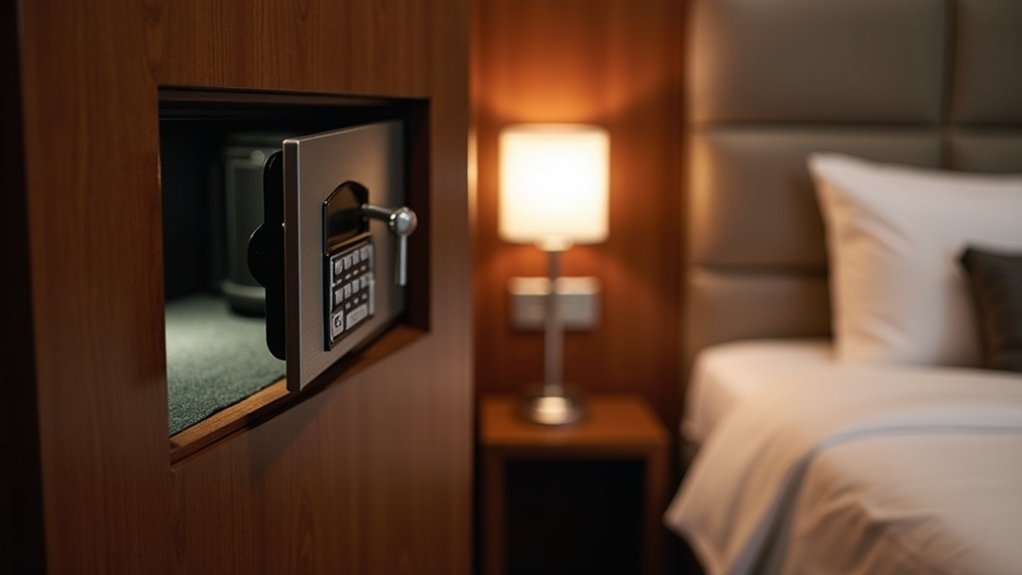
When you check into a hotel, one of the first things you might notice is the safe tucked away in your room, designed to protect your valuables while you explore.
Hotel room safes offer a secure place for money, jewelry, and important documents, enhancing your peace of mind during your stay. They’re user-friendly, letting you set and reset your own access codes easily.
Hotel room safes provide a secure and user-friendly solution for storing your valuables, allowing you to enjoy your travels worry-free.
However, be aware of potential vulnerabilities, like override codes known by hotel employees.
Ultimately, these safes serve as a convenient solution for storing your belongings, ensuring you can focus on enjoying your travels without worry.
Types of Hotel Room Safes
As you settle into your hotel room, you might notice that the type of safe available can considerably impact how you store your valuables.
Understanding the different types of hotel room safes can enhance your security experience:
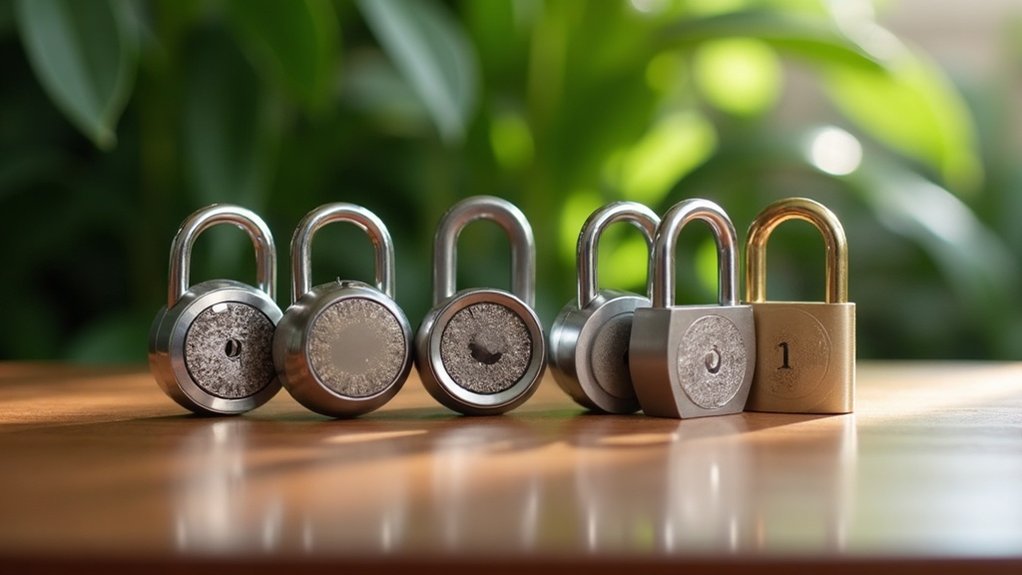
- Mechanical locks: These traditional key locks are reliable and battery-free.
- Digital locks: Easy to program and change, these electronic combination locks offer convenience.
- Fingerprint safes: Providing advanced security, they only grant access to registered fingerprints.
- Design variations: Choose between top-opening or front-opening safes to suit your space.
Each option caters to different security needs and offers varying levels of access.
Security Concerns and Vulnerabilities
While hotel room safes provide a convenient way to store your valuables, they’re not without their security flaws. Many hotel safes come with default override codes like 0000 or 9999, posing a significant security risk if not changed by hotel staff.
Additionally, hotel employees often have access to safes through special devices, allowing unauthorized entry without confirming your identity. Tests show they can open safes in seconds, raising doubts about their effectiveness.
Although theft issues may be minimal, the lack of thorough crime data makes it essential for you to be aware of these vulnerabilities to safeguard your belongings.
Methods of Access by Hotel Staff
Although you might feel secure storing your valuables in a hotel room safe, it’s essential to understand how easily hotel staff can access them.
While hotel room safes seem secure, hotel staff can access them more easily than you might think.
Here are some methods they use:
- Emergency Devices: Hotel employees can use special electronic devices designed for emergency openings, bypassing security features.
- Hidden Keyholes: Some in-room safes include hidden backup keyholes, often located beneath nameplates.
- Master Codes: Hotels may provide employees with master codes to gain entry to safes without guest verification.
- Magnetic Cards: Certain safes can be accessed quickly using master magnetic cards, raising concerns about unauthorized access.
Liability Issues for Stolen Items
When you place your valuables in a hotel room safe, it’s essential to understand the limitations of hotel liability for stolen items. Typically, hotels aren’t liable for theft, whether items are in an in-room safe or elsewhere in your room. It’s vital to review hotel policies about security and liability beforehand. Consider using hotel safe deposit boxes, which often provide better security and may include hotel liability.
| Item Type | Liability Status | Recommendation |
|---|---|---|
| In-Room Safe | Limited Liability | Use with caution |
| Personal Belongings | No Liability | Store securely |
| Safe Deposit Box | Potential Liability | Strongly recommended |
Tips for Safeguarding Your Valuables
When you’re traveling, protecting your valuables is essential, and portable travel safes are a smart choice.
Customize the access codes to keep your items secure, ensuring only you can get to them.
Use Portable Travel Safes
Traveling can be exhilarating, but it often comes with the worry of keeping your valuables safe. A portable safe is a great solution, allowing you to secure your belongings wherever you go.
Here are some tips for using one effectively:
- Choose a lightweight, compact model for easy transport.
- Look for cut-proof materials to resist theft attempts.
- Use the locking mechanism to keep small valuables secure.
- Secure the safe to a fixed object to deter opportunistic thieves.
Customize Safe Access Codes
How secure do you feel knowing that your hotel room safe might’ve a default code like 0000 or 1234?
To truly safeguard your valuables, it’s important to customize safe access codes. Many hotel room safes come with these easily guessed presets from safe manufacturers, making them vulnerable.
Change your code regularly to prevent unauthorized access, especially if previous guests or staff know the old ones. Consider adding a secondary lock for extra security.
And remember, keep the original code documented securely in case you forget your custom code. A unique code is crucial to protect your belongings from prying eyes.