Electronic safes offer quick access and customizable security features, making them user-friendly and efficient. They include advanced protections like biometric options and time delays. However, you may face drawbacks like higher initial costs and maintenance needs, such as battery replacements every 6-12 months. They can also be vulnerable to hacking and water damage. Understanding these pros and cons can help you make an informed choice about the best safe for your needs, ensuring your valuables are well protected.
Key Takeaways
- Pros: Electronic safes offer quick access through customizable codes, enhancing convenience for users without the need for physical keys.
- Pros: Many models include advanced security features like biometric options, dual control, and tamper alerts, increasing overall safety.
- Cons: Higher initial costs and battery replacement every 6-12 months can lead to temporary lockouts, impacting accessibility.
- Cons: Vulnerability to hacking and exposure to water or chemicals may compromise the safe’s functionality and security.
- Cons: Regular maintenance and potential need for professional locksmith services can increase long-term ownership costs.
Overview of Electronic Safes
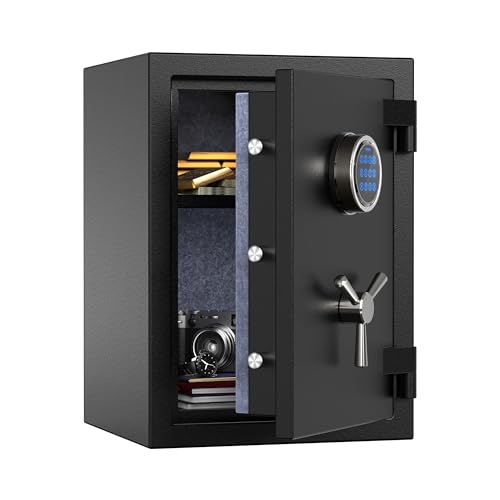
Electronic safes represent a significant advancement in personal security, leveraging digital technology to enhance protection for valuables. Unlike mechanical locks, electronic safes allow you to access with a user-defined code, offering flexibility in security management.
They come with additional security features such as dual control and time delay, which bolster defense against unauthorized access. However, electronic safes have their disadvantages; battery-powered operation can lead to temporary lockouts if batteries expire, requiring regular maintenance.
Additionally, their initial cost typically exceeds that of mechanical locks by about $100, balancing convenience and speed against potential risks. Understanding these factors is essential for informed decision-making.
Advantages of Electronic Safes
Electronic safes offer quick access through a simple keypad, allowing you to open them in seconds compared to traditional locks.
You can customize your security features, such as changing access codes without the hassle of a locksmith, which adds flexibility to your security management.
Additionally, many models provide enhanced accountability tracking, giving you a clearer picture of who accessed the safe and when.
Quick Access Convenience
Accessing your valuables quickly is one of the standout advantages of modern electronic safes.
With electronic locks, you can enter a 4–6-digit code on an illuminated keypad, considerably faster than spinning a mechanical dial. This convenience is especially helpful in low-light situations.
You also have the flexibility to change codes easily, promoting self-sufficiency without needing a locksmith.
Furthermore, advanced security features like time delays and dual control enhance safety while still allowing for quick access.
Most electronic locks retain codes in non-volatile memory, ensuring reliable access to your valuables, even in case of a power failure.
Customizable Security Features
When it comes to securing your valuables, customizable security features in modern safes provide a significant advantage. You can tailor your safe’s security to better fit your needs with:
- Customizable pass codes that you can easily change without a locksmith.
- Dual control requiring two codes for access, enhancing protection.
- Time delays that deter unauthorized access during vulnerable periods.
- Duress modes that trigger silent alarms in emergencies, keeping you safe.
These features guarantee your valuables are protected with a level of security that adapts to your specific requirements, offering peace of mind in uncertain situations.
Enhanced Accountability Tracking
While securing your valuables is essential, enhanced accountability tracking in electronic safes elevates your security strategy.
Electronic safe locks provide detailed access history, allowing you to monitor who accessed the safe and when. With programmable keycodes, you can easily change access codes, ensuring that only authorized individuals can gain entry.
Setting multiple user codes allows for tailored access levels, improving management of your safe’s contents. Additionally, notifications for failed access attempts deter unauthorized access and bolster accountability.
The data logs maintained by these locks are invaluable for identifying security breaches, offering a clear record for any necessary investigations.
Disadvantages of Electronic Safes
Although many people choose electronic safes for their convenience and modern features, several disadvantages warrant careful consideration.
Here are key drawbacks to keep in mind:
- Battery dies: Regular replacements every 6-12 months can lead to temporary lockouts if overlooked.
- Higher initial costs: Expect to pay around $100 more than for mechanical models, which may strain budgets.
- Vulnerable to hacking: Electronic components pose risks for sensitive information stored within.
- Water and chemical damage: Placement matters; exposure can damage electronic locks.
These factors can complicate your experience, potentially requiring professional locksmith services for resolution.
Key Features of Electronic Safes
Despite the disadvantages associated with electronic safes, their key features make them an appealing choice for many users.
Electronic safes typically utilize a battery-powered keypad, allowing you to input a 4–6-digit combination for quick access. Enhanced with advanced features like dual control and time delay, they greatly increase security and deter unauthorized access.
You can easily change programmable keycodes, eliminating the need for a locksmith. Additionally, keypads often include a light for visibility in dark environments, ensuring ease of use.
Comparing Electronic Safes to Mechanical Safes
When evaluating the best option for securing your valuables, comparing electronic safes to mechanical safes reveals significant differences in functionality and security.
Here are key points to reflect on:
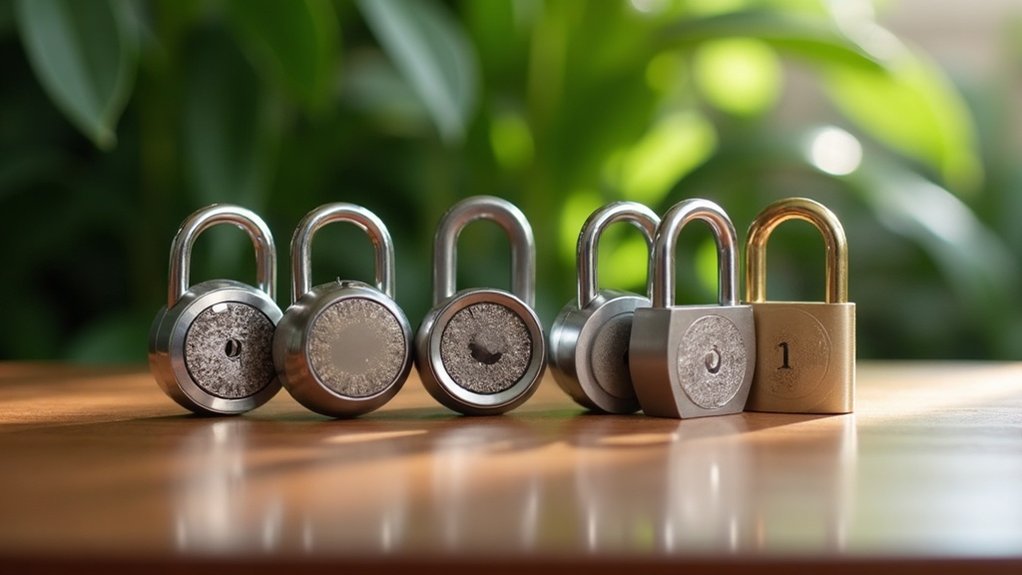
- Unlocking Speed: Electronic safes use a digital lock for quick access, while mechanical safes require a combination dial.
- Customization: Electronic safes allow easy passcode changes; mechanical locks need a locksmith.
- Longevity: Mechanical safes last longer without battery dependency, unlike electronic safes, which need replacements.
- Security Features: Electronic safes offer advanced security electronic options, while mechanical safes can be cracked relatively quickly.
Evaluate these factors to determine your ideal safe.
Choosing the Right Safe for Your Needs
When you choose a safe, start by evaluating your security requirements to guarantee it meets your needs.
Assess how easily you want to access your valuables, as this will influence whether an electronic or mechanical model is more suitable.
Finally, consider the maintenance needs of each option, as this can affect long-term usability and your overall satisfaction.
Assess Security Requirements
How can you guarantee that your valuables are adequately protected? To effectively assess your security needs, consider these factors:
- Value & Sensitivity: Determine what you’re storing and its importance.
- Placement Environment: Avoid areas prone to water or chemical damage.
- Battery Life & Maintenance: Remember to replace batteries every 6-12 months to prevent lockouts.
- Repair Costs: Be aware that malfunctions may require professional locksmith services.
Evaluate User Accessibility
To guarantee seamless access to your valuables, evaluating the user accessibility of electronic safes is important.
These safes offer user-friendly operation through programmable keycodes, allowing you to access your items without needing a locksmith. The illuminated keypad makes it easier to open in low-light conditions.
You’ll benefit from a faster opening process compared to traditional locks, saving you time. Features like dual controls and time delays enhance security, but they may require careful consideration of user accessibility.
Additionally, regular battery maintenance is essential, ensuring your safe remains functional, especially in emergencies when quick access is critical.
Consider Maintenance Needs
Taking into account the maintenance needs of electronic safes is essential for ensuring their reliability over time.
Here are key aspects to bear in mind:
- Battery Replacements: Change batteries every 6-12 months to avoid lockouts.
- Routine Checks: Regularly monitor battery status for peak functionality.
- Self-Sufficiency: Some digital safe locks let you change codes without a locksmith.
- Technical Knowledge: Troubleshooting might require more understanding compared to mechanical locks.