To make a safe fireproof, you need excellent fire ratings, using high-quality insulation materials like gypsum board and ceramic wool. Look for design features such as heat-activated seals and composite thermal barriers that block heat penetration. Placement is also essential; concrete floors slow fire spread, and avoiding areas with high fire risks improves safety. Innovations like advanced fireproof materials further enhance protection. Understanding these features will help you make an informed choice for your fireproof needs.
Key Takeaways
- Fireproof safes utilize advanced insulation materials like gypsum board and ceramic wool to maintain low internal temperatures during a fire.
- High-strength concrete, with varying PSI ratings, enhances the safe’s resistance to extreme heat and fire.
- Heat-activated seals, such as Palusol™, expand to block smoke and heat, protecting contents inside the safe.
- Composite thermal barriers between steel layers prevent heat penetration, ensuring better protection for stored items.
- Proper placement on concrete floors and away from high-risk areas minimizes fire risk and enhances overall fire safety.
Fire Rating Standards and Their Importance
When you’re choosing a safe, understanding fire rating standards is essential, as these ratings determine how long your safe can withstand extreme heat.
Fireproof ratings typically range from 30 to 120 minutes, with higher ratings offering better protection against heat. For instance, a safe with a 90-minute fire rating can endure temperatures up to 1,680°F while maintaining a safe interior temperature.
Independent organizations like Underwriters Laboratories validate these ratings, ensuring reliable fire resistance. Knowing these ratings helps you select fireproof safes, including fireproof gun safes, that effectively protect your valuable possessions from house fires and other heat-related disasters.
Types of Fireproof Insulation Materials
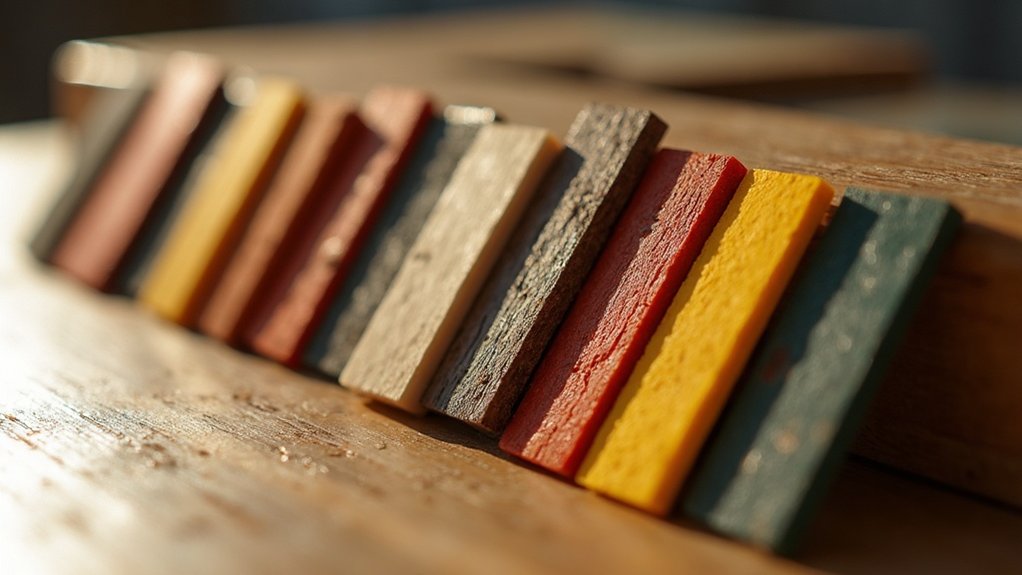
Understanding fireproof insulation materials is essential to maximizing the protective capabilities of your safe. These materials enhance heat resistance and thermal resistance, ensuring your valuables remain protected.
Maximize your safe’s protection by understanding fireproof insulation materials that enhance heat and thermal resistance.
Common types include:
- Gypsum board: ¼ to ⅝ inches thick, releasing water vapor when heated.
- Ceramic wool: A blanket-like material offering excellent thermal resistance.
- Fire clay: Melting point of 3,002°F, providing exceptional heat insulation.
- High-strength concrete: Denser than standard concrete, used in TL-15 and TL-30 rated safes.
- Composite materials: Lightweight, used between steel layers to prevent heat penetration.
Choosing the right insulation is vital for effective fireproof safes.
Design Features That Enhance Fire Resistance
To enhance fire resistance, safes are equipped with several key design features that work synergistically to protect your valuables.
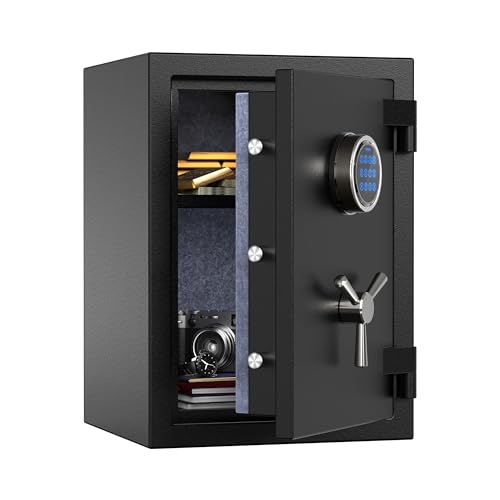
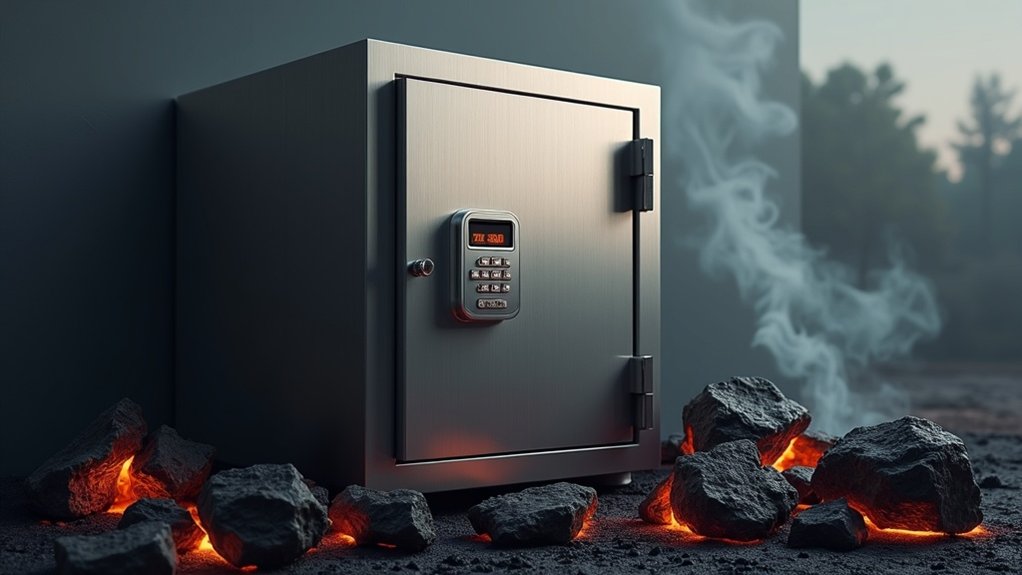
Fireproof gun safes incorporate heat-activated seals, like Palusol™, which expand to block smoke during a fire. Insulation materials, such as gypsum board, maintain an internal temperature below 350°F, while thermal barriers made from composite materials prevent heat penetration.
The outer layer of galvanized steel not only provides exceptional heat resistance but also deters unauthorized access. Additionally, bolted-down installation on concrete floors helps slow fire spread, further enhancing overall fire protection and ensuring your valuables remain safe under extreme conditions.
The Role of Safe Placement in Fire Protection
Proper placement of a fireproof safe greatly enhances its ability to protect your valuables during a fire.
To guarantee ideal fire protection, consider these strategic placement tips:
- Position on a concrete or slab floor to slow fire spread.
- Avoid placing near kitchens to minimize fire risks.
- Choose areas with lower fire exposure for increased safety.
- Guarantee good ventilation to aid heat resistance.
- Regularly assess the safe’s location against potential hazards.
Utilizing heat-expanding door seals like Palusol™ further enhances your fireproof safe’s fire resistance, ensuring your valuables remain secure in a fire emergency.
Innovations in Fireproof Safe Technology
As fire safety technology evolves, innovations in fireproof safes are greatly enhancing protection for your valuables.
Today’s safes feature advanced fireproof ratings, thanks to proprietary materials like DryLight®, which improve heat resistance while reducing weight. High-strength concrete with a PSI of 6,300 for TL-15 and 9,300 for TL-30 safes guarantees exceptional structural integrity.
Advanced materials like DryLight® enhance heat resistance and reduce weight in today’s fireproof safes, ensuring exceptional strength and protection.
These fire-resistant solutions incorporate heat-activated seals that expand to provide smoke protection during high temperatures. Additionally, the seamless insulation between steel layers eliminates weak points.
Eco-friendly materials are increasingly used, marrying security with sustainability, thereby representing a significant advancement in fireproof safe technology.